Understanding the Towing Process: A Step-by-Step Guide for New Orleans Residents
The towing process is a coordinated emergency roadside service designed to safely transfer disabled, damaged, or immobilized vehicles from public roadways, shoulders, or private property to a secure destination. Whether your engine dies on I-10, your tires get stuck in wet mud after a Gulf storm, or your battery fails in a Metairie parking lot, professional vehicle recovery prevents secondary accidents, restores traffic flow, and protects your automobile from further mechanical damage during transport.
Types of Towing Services Available in New Orleans
Depending on your vehicle type, location, and mechanical condition, different towing solutions are required:
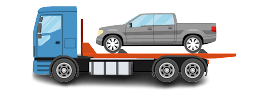
- Flatbed Towing: The safest transport method for all passenger cars, electric vehicles (EVs), luxury models, and AWD automobiles. The entire vehicle sits securely on top of a hydraulic bed, eliminating tire wear and drivetrain drag.
- Wheel-Lift Towing: Ideal for tight spatial maneuvers, low-clearance parking garages in the Central Business District (CBD), or short-distance municipal transports.
- Emergency Highway Recovery: High-speed roadside response equipped with safety strobe rigs and arrow boards to clear stalled cars safely off elevated overpasses like the Claiborne Ramp or I-610.
- Winch-Out & Flood Recovery: Heavy-duty winch lines and snatch-block rigging designed to pull cars trapped in soft ditches, canal banks, or high-water hazard zones across Orleans and Jefferson Parishes.
- Specialized & Low-Clearance Towing: Custom zero-angle flatbed transport tailored for lowered sports cars, classic automobiles, and high-GVWR commercial work trucks.
Step-by-Step Breakdown
Understanding how the recovery process unfolds helps eliminate stress when you are stranded on the side of the road.
From Initial Call to Tow Truck Arrival
- Initial Dispatch Call: You contact our 24/7 New Orleans dispatch team. Our operator takes down your vehicle details, exact location, and safety status.
- Immediate Truck Assignment: We locate the nearest available rollback flatbed or recovery unit in Greater NOLA and send live dispatch orders to the driver.
- En-Route Communication: You receive an estimated time of arrival (ETA) update so you know exactly when help will arrive.
- On-Scene Arrival & Safety Setup: The tow operator arrives, positions their high-visibility LED safety lights to alert oncoming traffic, and conducts an initial safety evaluation.
- Hookup & Loading: Using factory-approved tie-downs, wheel straps, or winch cables, the technician safely loads and locks your vehicle onto the bed.
- Transport & Drop-Off: Your car is delivered directly to your chosen repair shop, dealership, or home address.
Key Information to Provide When Calling for a Tow
To ensure dispatch sends the correct equipment on the first try, keep these details handy:
- Exact Location & Landmarks: Cross streets, highway mile markers, neighborhood names (e.g., French Quarter, Garden District, Algiers), or nearby business names.
- Vehicle Details: Year, make, model, color, and drivetrain (FWD, RWD, AWD, or Electric).
- Current Condition: Does the car roll and steer? Are the keys available? Is the vehicle off-road, in a ditch, or stuck in a multi-level garage?
- Drop-Off Destination: The full name and address of the auto repair facility or residential address where the car needs to go.
- Safe Contact Phone Number: A working line where the driver can reach you for real-time updates.
What to Expect During Towing
Timeline & Communication Expectations
- Rapid Dispatch (15–30 Minute Target ETAs): Depending on traffic flow across local bridges and highway interchanges, drivers aim to arrive as quickly as safety allows.
- Continuous Updates: If traffic bottlenecks develop on major routes like the Crescent City Connection, dispatch keeps you informed of updated arrival times.
- Clear Upfront Pricing: Before your car is hooked up, your technician verifies the binding price quote so there are no unexpected fees at drop-off.
Tips for Staying Safe & Informed On-Scene
- Stay in a Safe Position: If stranded on a narrow highway shoulder with fast traffic, remain inside your vehicle with your seatbelt buckled. If you are in a safe off-road area, stand behind protective metal guardrails.
- Keep Hazard Lights On: Leave your emergency flashers activated, especially at night or during heavy downpours.
- Verify Your Tow Driver: Confirm the company name on the truck side panel matches Goodwrench Towing before handing over keys or authorizing vehicle movement.
- Keep Your Line Open: Avoid making extra phone calls so the incoming tow operator can reach you immediately upon arrival.
Preparing for a Tow
Taking a few quick preparation steps helps guarantee a smooth transport and makes handling claims seamless later on.
Essential Checklist Before Your Vehicle is Loaded
- Gather Important Documents: Take your driver’s license, vehicle registration card, insurance policy details, and personal house/office keys out of the car.
- Remove Personal Valuables: Grab your phone, wallet, laptop, tools, and personal belongings from the cabin and trunk.
- Set Vehicle to Neutral / Tow Mode: If your vehicle has power, engage neutral or activate “Transport Mode” (especially for EVs and modern luxury automatics).
- Take Quick Photos: Snap a few quick photos of your car’s exterior condition at the scene for your personal records.
Managing Insurance Claims & Vehicle Aftercare
- Request an Itemized Receipt: Always get a detailed physical or digital invoice showing the base hookup fee, mileage, and drop-off address.
- Notify Your Repair Shop: Call your destination auto repair facility to inform them that a tow truck is delivering your vehicle.
- Submit for Roadside Reimbursement: If your auto insurance policy or credit card includes roadside assistance coverage, submit your itemized invoice to claim full or partial reimbursement.
Need Fast, Reliable Towing in New Orleans Right Now?
Don’t stay stranded on the shoulder! Whether you need emergency highway transport, flatbed recovery, or winch-out assistance, Goodwrench Towing is ready to respond 24 hours a day, 7 days a week.
Call Goodwrench Towing at (504) 684-8739 for immediate dispatch and guaranteed upfront pricing.